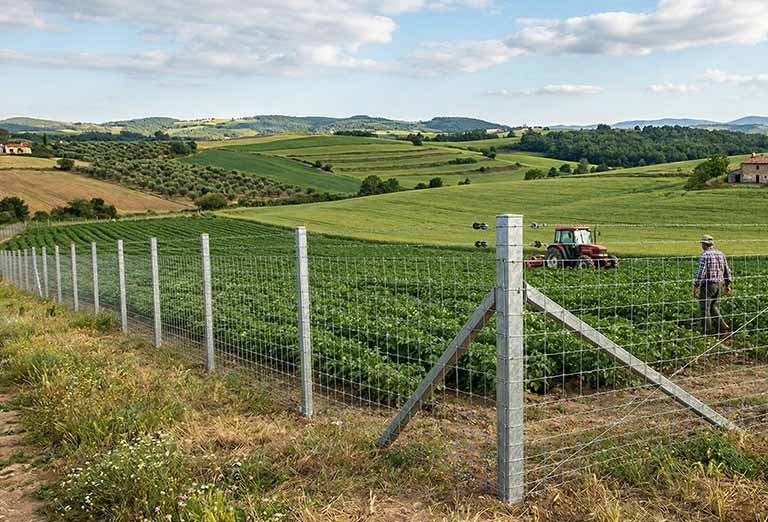
Wire Fence for Agricultural Land is one of the most effective solutions for protecting cultivated areas, preventing animal intrusion, and clearly defining boundaries. Choosing the right wire fence system directly impacts crop yield, security, and long-term costs. Therefore, when selecting a fence for agricultural land, not only price but also durability, wire structure, and suitability for the intended use must be evaluated together.
Why Use Wire Fences in Agricultural Areas?
Agricultural lands are constantly exposed to external risks. Wire fence systems play a critical role in minimizing these risks.
Main purposes:
- Preventing entry of wild animals
- Defining field and land boundaries
- Ensuring crop security
- Controlling livestock areas
- Preventing unauthorized access
A properly selected fence system provides both security and operational efficiency.
Most Suitable Wire Fence Types for Agricultural Land
Galvanized Wire Fence Systems
One of the most commonly used solutions.
- Resistant to rust
- Long-lasting
- Available in different mesh sizes
PVC-Coated Wire Fences
- Provides extra corrosion resistance
- Offers a more aesthetic appearance
- Ideal for humid and rainy regions
Barbed Wire Systems
- High level of security
- Cost-effective for large areas
- Effectively deters animal intrusion
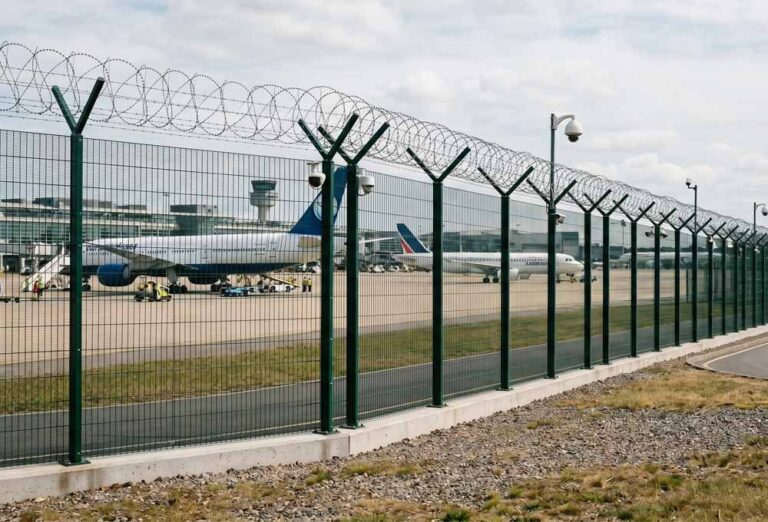
Panel Fence Systems
- Provides a more rigid and organized structure
- Preferred for farms, storage areas, and facility perimeters
Key Factors to Consider When Choosing a Wire Fence
Wire Thickness and Durability
Wire fences used in agricultural land are constantly exposed to external conditions.
- Thicker wire → longer lifespan
- Higher impact resistance → better protection against animals
Thin wires may deform quickly.
Galvanization Quality
- Hot-dip galvanization should be preferred
- Directly affects resistance to rust
- Critical for coastal and humid regions
Mesh Size (Structure)
- Small mesh → protection against small animals
- Large mesh → cost advantage
The right choice depends on the intended use.
Land Structure and Climate Conditions
- Flexible systems should be preferred for sloped terrains
- Strong post systems are required in windy areas
- PVC-coated or highly galvanized products are recommended in rainy regions
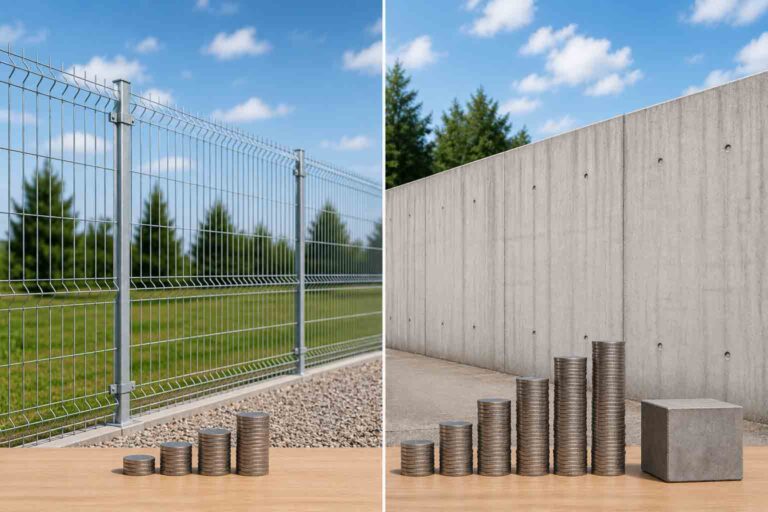
Factors Affecting Wire Fence Prices for Agricultural Land
Wire fence prices vary depending on:
- Wire diameter and quality
- Type of galvanization
- Fence height
- Posts and accessories used
- Order quantity (wholesale advantage)
Direct sourcing from manufacturers provides significant cost advantages for large-scale projects.
Suitable Solutions for Agricultural Land with Septa Fence Products
Septa Fence offers a wide range of products tailored for agricultural and land enclosure needs:
- Galvanized wire systems → durable and long-lasting
- Chain-link fence solutions → cost-effective for large areas
- Panel fence systems → higher security and structured fencing
- Barbed wire and accessories → ideal for high-security requirements
Septa Fence products are designed to adapt to different land types and climate conditions, making them suitable for both local and international projects.
Maintenance Tips for Long-Lasting Wire Fences
- Regularly check connection points
- Repair damaged wires promptly
- Inspect post stability periodically
- Avoid excessive tension and load
Proper maintenance significantly extends the lifespan of the fence system.
Wire Fence for Agricultural Land is not just a boundary solution but also a way to protect your investment. With the right wire type, proper galvanization, and project-specific planning, you can establish a durable and cost-effective fencing system. Thanks to the high-quality fencing solutions offered by Septa Fence, you can achieve maximum security and efficiency for your agricultural land.